Van Village today does not stand aside from the process of urbanization, production transformation and administrative arrangement. The challenge is how to develop infrastructure, livelihoods and tourism without obscuring the cultural fabric that gives the village its identity.
A changing community
From 2025, Van Village belongs to Yen Vien residential quarter, Van Ha Ward, Bac Ninh Province. The new administrative name reflects the process of arranging and expanding the administrative space, while the village name, customs and community memories continue to exist.
Roads, schools, services and production methods change rapidly. Many households use machines, design new packaging and find wider markets. These changes are necessary to improve life, but can also change the landscape and traditional rhythm of life.
Heritage remains a special resource
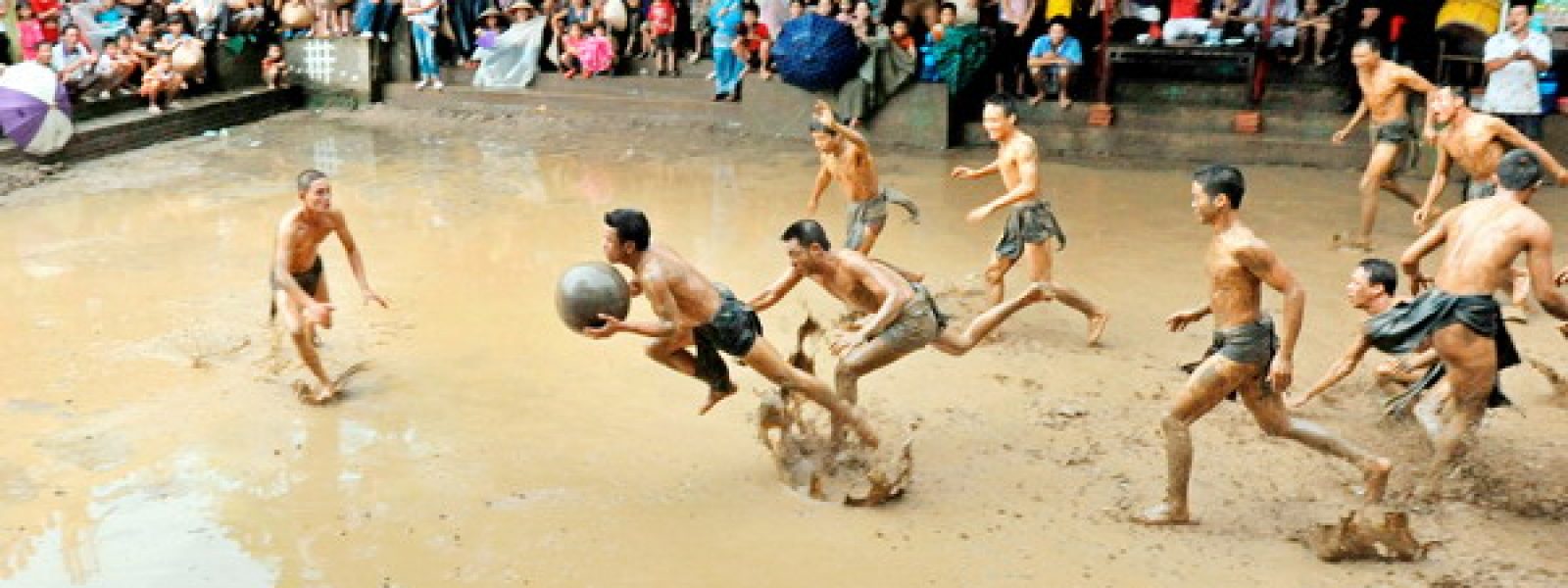
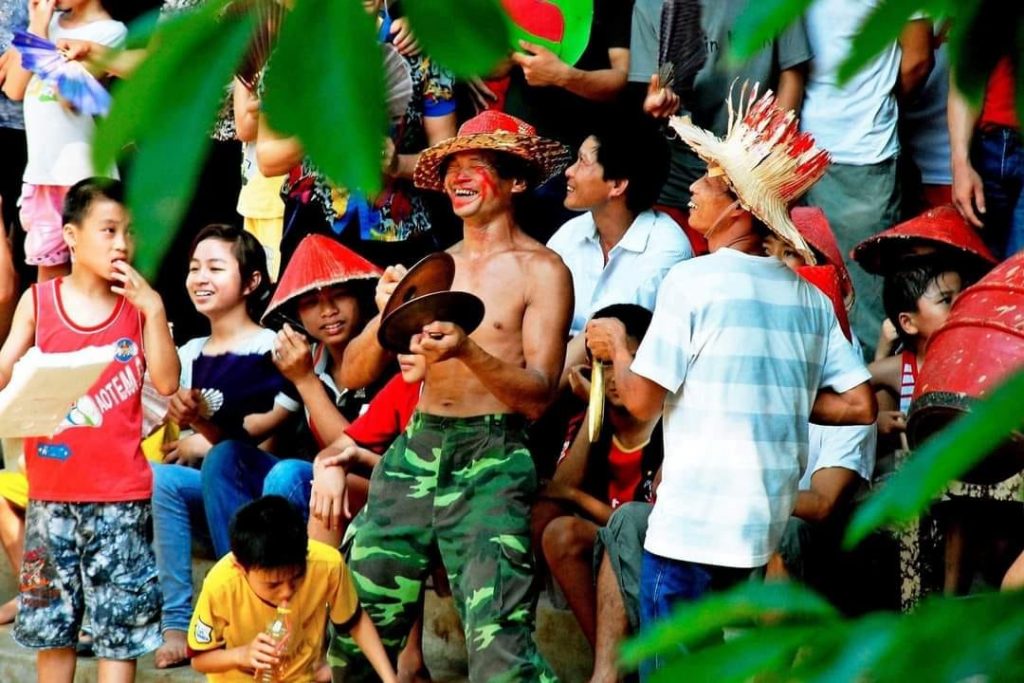
Van Village still maintains the profession of wine making, Water-ball Wrestling Festival, religious works, year-end markets, wedding ceremonies and many forms of folk culture. This is a resource that a new residential area cannot create in a short time.
If properly preserved, heritage can support education, community tourism, creative economy and local image building. But benefits are only sustainable when people are the subjects, participate in decisions and receive benefits.
Risks to identify
The monument may be restored with the wrong materials or lose its landscape; The reputation of the wine industry can be affected by counterfeit products; Festivals can be overloaded with guests and media; Ancient documents may be lost; Young people may no longer have enough time to learn a trade and listen to village stories.
Another risk is “framing” heritage into a few promotional images. Van Village is more than just a ball of mud and a bottle of wine. If we ignore history, women, the elderly, clans, daily labor and relationships with neighboring villages, the story will become poor.
Data-driven conservation
It is necessary to inventory each relic, artifact, festival, profession, character and document. Each profile has a source, updated date, provider, and verification status. Old photos need to identify people, places, and times; Sino-Nom documents need to have original photos, transcription, translation and an appraiser.
Digital data helps track changes and support research, but does not replace preserving the original. Sensitive documents need access rights, respecting the privacy and ownership rights of family and lineage.
Affordable tourism development
Van Village is suitable for a small-scale tour model, with an appointment, focusing on the learning experience. Do not bring too many vehicles, large groups or commercial activities into village alleys and sacred spaces.
A network of community guides, verified vocational facilities, restrooms, parking lots and codes of conduct will be more effective than building many ostentatious structures. Good tourism must increase the pride and quality of life of residents.
Empowering the younger generation
Young people can participate in new roles: filming, digitizing documents, designing maps, translating content, building educational products and supporting traceability. When technology is used to serve the true story of the village, it becomes a bridge, not a force that disrupts tradition.
Schools, unions and families can organize the project “Each student a village story”, interview the elderly or create past and present photo albums. Through self-study, the young generation will form a deeper attachment to their homeland.
Growing while still recognizing yourself
The ultimate goal is not to keep Van Village exactly like the past. A living community that is always changing. What needs to be preserved is the ability to recognize oneself through village names, monuments, occupations, festivals, speech and how to treat each other. When development is guided by accurate data, consensus and community benefits, Van Village can become a model of a heritage village adapting to modernity without losing its soul.